
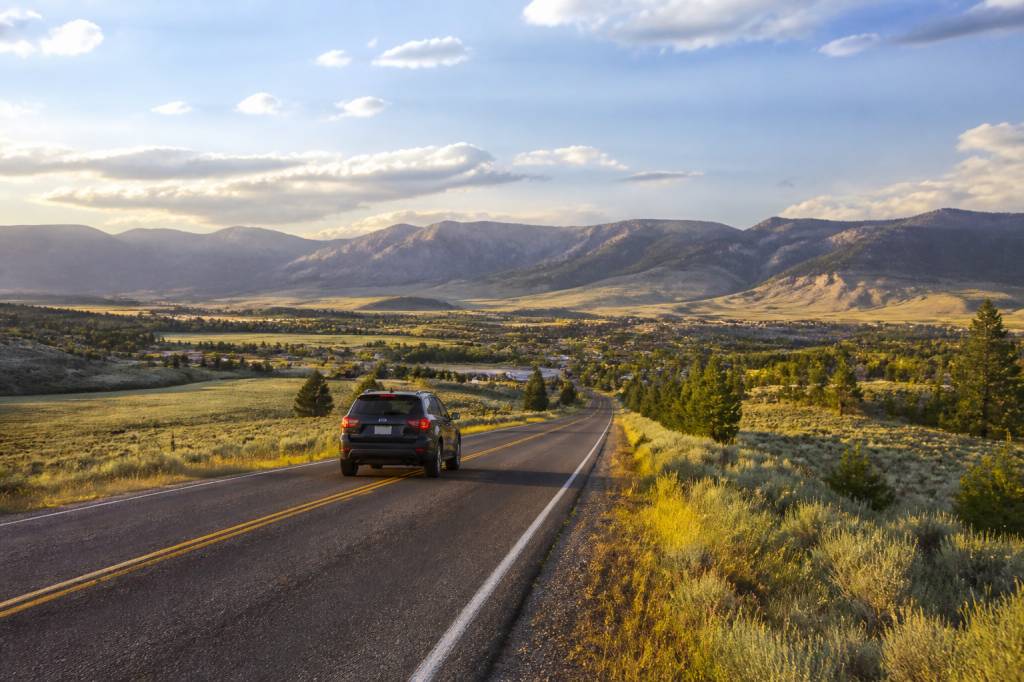
The East Entrance of Yellowstone feels different from the park’s more famous gateways. It is quieter, more spacious, and in many ways more cinematic, with a drive that unfolds through high mountain passes, blue lakes, and long views that make the approach itself part of the experience. If you are entering Yellowstone from Cody, Wyoming, or arriving after time in the Bighorn Basin, the route to the East Entrance offers some of the most memorable scenery in the entire region. I have always found this side of the park especially rewarding because it combines wilderness, history, and small-town character in a way that feels less hurried than other approaches.
This part of Yellowstone is not just a point of entry. It is a destination corridor in its own right, with scenic stops worth building into your itinerary, gateway towns that help shape the journey, and travel choices that can make your visit more responsible and more enjoyable. If you are planning a road trip to Yellowstone, the East Entrance deserves careful attention.
The appeal of entering Yellowstone from the east
Driving in from the East Entrance gives you a strong sense of transition. The landscape changes gradually as you move from the open spaces around Cody toward the higher, cooler elevations near Sylvan Pass. The road climbs steadily, and with that ascent comes a shift in mood: the terrain becomes more alpine, the air feels sharper, and Yellowstone seems to reveal itself slowly rather than all at once.
In my view, this is one of the best ways to arrive in the park because it builds anticipation. Instead of reaching a crowded entrance and rushing toward a famous feature, you get a long scenic lead-in that prepares you for Yellowstone’s scale. The East Entrance is also ideal for travelers who appreciate less congested approaches and want to experience the park as part of a broader Western landscape rather than as an isolated attraction.
Scenic stops worth your time along the East Entrance route
Several stops on or near the road to the East Entrance stand out for their scenery, accessibility, and sense of place. Some are best for short breaks, while others deserve a longer pause.
If I had to choose the single most satisfying scenic experience along this approach, it would be the combination of Wapiti Valley and Sylvan Pass. The road feels remote but not inaccessible, and every turn seems to reveal another layer of the landscape. For travelers who value the journey as much as the destination, this is one of Yellowstone’s strongest entry corridors.
Gateway towns that shape the experience
Two gateway communities are especially relevant for the East Entrance: Cody and, to a lesser extent, nearby communities in the greater Shoshone region. Cody is by far the most important base for this side of Yellowstone, and in my opinion it is one of the best town-and-park combinations in the American West.
Cody has the kind of practical appeal that makes travel easier: lodging, dining, fuel, grocery stores, and visitor services are all readily available. But it is more than a supply stop. The town has a strong identity rooted in frontier history, rodeo culture, and the legacy of Buffalo Bill Cody. That sense of place gives the trip a more meaningful prelude, especially if you spend a night or two there before driving into the park.
What I particularly appreciate about Cody is that it encourages slower travel. Instead of arriving at Yellowstone already tired from a long haul, you can break the journey into stages, enjoy a museum visit or a local meal, and then enter the park refreshed. That approach also reduces stress and tends to lead to better decisions once you are inside the park, where distances are large and services are limited.
Other small communities in the wider region may not be as prominent, but they can still support a thoughtful itinerary. The important point is to treat gateway towns as part of the Yellowstone experience rather than as mere utility stops. Staying local helps regional economies and often provides a richer sense of the landscape and its people.
What to know before driving the East Entrance
The East Entrance road is beautiful, but it is also mountain driving. Weather can change rapidly, especially at higher elevations, and the road may remain closed for snow later in the spring than lower routes. Summer travel is generally straightforward, but traffic can still build during peak hours, particularly around mid-morning and early evening.
Here are a few practical things I always recommend keeping in mind:
The East Entrance can feel remote, and that is part of its charm. But remoteness requires preparation. I think travelers often underestimate how much time they need for a scenic drive that includes stops and photo breaks. Building in flexibility makes the day better and safer.
Sustainable travel tips for visiting Yellowstone’s East Entrance
Sustainable travel in Yellowstone is not complicated, but it does require intention. This area is home to fragile ecosystems, sensitive wildlife habitat, and communities that depend on tourism done well. The best travelers are the ones who understand that enjoying the park and protecting it are the same goal.
One of the simplest ways to reduce your impact is to slow down. Fewer hurried stops, fewer unnecessary detours, and more time spent in each place can reduce fuel use and improve your overall experience. If you are traveling with others, carpooling is another easy way to lower your footprint. In a park as car-dependent as Yellowstone, shared travel matters.
I also encourage visitors to support local businesses in gateway towns rather than bringing everything from outside the region. Staying in Cody, eating at locally owned restaurants, and choosing guides or outfitters who emphasize conservation can help distribute tourism benefits more evenly. That is especially important in places where seasonal traffic shapes the local economy.
Leave No Trace principles are essential here. Stay on designated trails, do not disturb wildlife, and pack out all trash. Even small actions matter in a place where popular viewpoints and roadside stops can become heavily used during the summer season.
Some additional sustainable habits are easy to adopt:
In my opinion, the most meaningful sustainable choice is simply to travel with patience. Yellowstone rewards visitors who are willing to move at the pace of the place rather than forcing it into a rushed itinerary.
Best times of day for scenery and wildlife
Early morning is the best time to enter from the East Entrance if your goal is both scenery and a quieter road. The light is softer, the air is often clearer, and wildlife activity is usually stronger. Evening can also be excellent, especially if you are staying inside or near the park and can return to the corridor for golden-hour views.
Midday still offers spectacular mountain and lake views, but the light can be harsher for photography and traffic tends to increase. If you are planning stops for photos, I would prioritize the early and late hours. The landscape has more depth then, and the route feels more tranquil.
Why this entrance deserves more attention
The East Entrance does not always get the same attention as other Yellowstone gateways, but that is part of why I like it so much. It offers a more gradual, scenic, and reflective approach to the park. The route from Cody through the mountains creates a sense of arrival that feels earned, and the gateway town adds character rather than merely convenience.
For travelers who want Yellowstone to feel connected to the broader West, this entrance is especially satisfying. You see the transition from plains to foothills to high mountain country, and you experience the park as part of a living landscape rather than a stand-alone icon. That broader perspective, for me, is one of the most rewarding parts of visiting Yellowstone.
If you plan your timing well, stop thoughtfully, and travel with care, the East Entrance can become one of the most memorable parts of your trip. It is scenic, practical, and full of subtle rewards for those willing to look closely.