
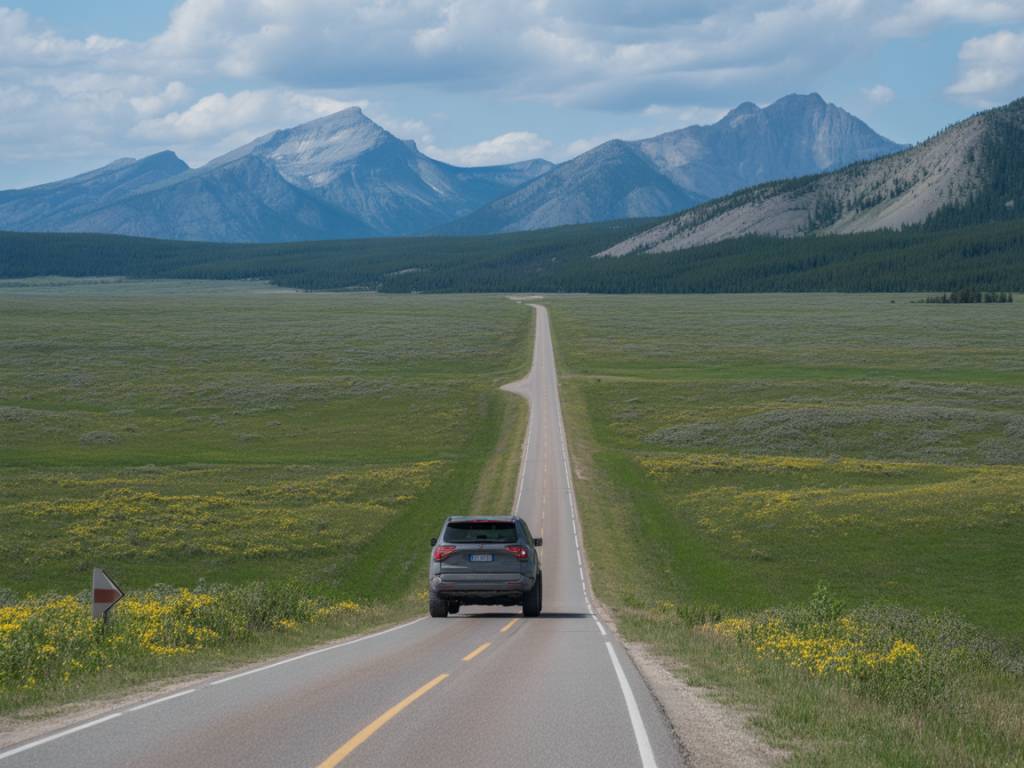
Yellowstone’s Northern Range is one of the park’s most rewarding areas for travelers who want to experience a wilder, quieter side of this famous landscape. Stretching roughly from the area around Mammoth Hot Springs to the Northeast Entrance and the Lamar Valley, this broad region is known for its open grasslands, river corridors, and some of the best wildlife viewing in North America. It is also one of the easiest parts of Yellowstone to underestimate. Many visitors rush through on their way to more famous geothermal sites, but I have always found the Northern Range to be where Yellowstone feels most alive, most spacious, and most connected to the rhythms of the natural world.
What makes this region especially compelling is the way it combines scenic drives, ecological importance, and a sense of calm that can be hard to find in the park’s busier areas. Here, the landscape is shaped less by steaming basins and more by movement: elk shifting across meadows at dawn, bison gathering near the roadside, pronghorn scanning the horizon, and wolves traveling through the valleys in search of prey. For travelers who want both beauty and substance, the Northern Range is one of the best places in Yellowstone to slow down and observe.
Why the Northern Range matters
The Northern Range is not only beautiful; it is ecologically significant. This area acts as a major wildlife corridor, meaning animals move through it to find food, water, shelter, and breeding grounds. The open valleys and river bottoms make it easier for large mammals to travel, and the surrounding mountains provide seasonal habitat. In practical terms, that means the Northern Range supports a remarkable concentration of wildlife, especially in the early morning and evening hours.
From my perspective, this is one of the strongest reasons to spend time here rather than simply driving past. In other sections of Yellowstone, wildlife is often more dispersed. In the Northern Range, the terrain encourages visibility, and that gives visitors a rare chance to watch natural behavior unfold at a respectful distance. If you are patient, you may see bison herds moving through the grass, elk standing in the cooling light, bald eagles perched near the river, and, with luck, coyotes or wolves in the distance.
It is important to remember that the animals here are not attractions arranged for human convenience. They are using this corridor because it remains one of the most functional wildlife habitats in the park. That is part of what makes visiting feel so meaningful.
Best scenic drives in the Northern Range
The main road through Yellowstone’s Northern Range follows the park’s northern loop and links some of its most memorable stops. While the drive itself is straightforward, the experience can be extraordinary if you take your time. I recommend approaching it not as a route to complete, but as a landscape to read.
One of the most rewarding stretches is the road between Mammoth Hot Springs and Tower-Roosevelt. This section offers broad views, frequent opportunities to spot wildlife, and a strong sense of the park’s volcanic topography meeting its valley systems. The scenery changes constantly: pale terraces and geothermal features near Mammoth give way to open slopes, forested hillsides, and then the more dramatic terrain around Tower.
Another essential drive is the road into Lamar Valley, often described as the best wildlife viewing drive in Yellowstone. In my opinion, it deserves that reputation, but only if you are willing to move slowly and stop often. The valley is wide, windswept, and almost cinematic in its scale. On a clear morning, the light can make the grasses glow, while the distant mountains frame the valley in a way that feels both expansive and intimate. It is the kind of place where even a roadside pullout can become the highlight of the day.
If you continue toward the Northeast Entrance, the drive becomes even more remote and scenic. The route through the Yellowstone River corridor and toward the park boundary is less crowded than the central areas, and the sense of wilderness becomes stronger. This is especially appealing to travelers who prefer fewer visitors and more space to absorb the landscape.
- Drive early in the morning for the best wildlife activity and softer light.
- Use pullouts frequently rather than stopping in the roadway.
- Carry binoculars so you can observe animals without approaching them.
- Keep your speed low, especially in dawn and dusk conditions when animals are most active.
- Expect slow travel time; this is an area to savor, not to rush through.
Wildlife you are most likely to see
The Northern Range is famous for a reason. It offers some of the most reliable wildlife sightings in the park, though there are never guarantees. Bison are perhaps the easiest to find, often grazing in large herds or moving across roads in unhurried fashion. They are impressive at any distance, but I think the best way to appreciate them is to watch how they interact with the landscape. Their presence can make the whole valley feel animated.
Elk are also common, especially in open meadows and near riparian areas. Depending on the season, you may see bulls with antlers or cows with calves. Bears are present in the Northern Range as well, including grizzly bears and black bears, though sightings require patience and luck. Wolves, meanwhile, are among the region’s most sought-after animals. The Lamar Valley in particular has become famous for wolf watching, and visitors often gather with spotting scopes at dawn to look for packs moving in the distance.
Other species can include pronghorn, mule deer, coyotes, otters near waterways, and a wide variety of birds. Raptors are especially noticeable when they perch on fence posts or circle overhead. I have always enjoyed the smaller details here too: the calls of meadowlarks, the sudden movement of a fox, or the way ravens seem to monitor everything with intelligent curiosity.
- Bring layers; wildlife viewing often means standing still in cool morning air.
- Use a spotting scope if possible, especially for wolves and bears at a distance.
- Look beyond the obvious roadside animals; many sightings happen farther across the valley.
- Be quiet and patient, since movement and noise can reduce your chances of seeing wildlife naturally.
How to travel responsibly in wildlife corridors
Because the Northern Range is such an active wildlife corridor, responsible travel is not optional; it is part of what makes visiting sustainable. The simplest rule is also the most important: give animals space. Yellowstone has clear wildlife distance guidelines, and they exist both for your safety and for the animals’ welfare. Large mammals may appear calm, but they can react quickly if they feel threatened or crowded.
I strongly recommend staying in your vehicle whenever possible if animals are near the road. Pull completely off the pavement in designated areas, avoid blocking traffic, and never approach wildlife for a photo. If an animal changes its behavior because of your presence, you are too close. That principle is easy to remember and very useful in practice.
Another important part of responsible travel is understanding that roads themselves can affect animal movement. Wildlife corridors only remain functional when human presence does not fragment them too severely. That means respecting closures, obeying park staff, and being careful not to create unnecessary disturbances. Even something as simple as loud conversations, repeated car doors slamming, or crowds gathering too tightly can alter wildlife behavior.
In my view, the best wildlife travelers are not the ones who collect the most sightings, but the ones who leave the least trace.
- Never feed wildlife.
- Keep pets out of the park unless specifically allowed and managed in approved areas.
- Use designated pullouts and parking areas only.
- Respect seasonal restrictions and road closures.
- Pack out all trash, including food scraps and small items that can attract animals.
When to visit for the best experience
Timing can dramatically shape your experience in the Northern Range. Early summer offers green valleys, active birds, and the chance to see young animals, though the area can also be busier. Late summer and early fall are excellent for clearer wildlife viewing as vegetation becomes less dense and animals concentrate around remaining food sources. Autumn also brings a quieter atmosphere and beautiful light, which I personally find especially appealing.
Winter transforms the Northern Range into a stark, open, almost meditative landscape. Access is more limited, but the wildlife viewing can be exceptional, and the contrast between snow-covered hills and steaming thermal features near Mammoth is striking. If you prefer solitude and do not mind colder conditions, this season can be unforgettable.
My own preference is the shoulder season, particularly early fall. The weather is often comfortable, the roads are still open in most areas, and the wildlife activity remains strong. It is also a good time to appreciate the broad vistas without the intensity of peak summer crowds.
Practical tips for a smoother visit
Because the Northern Range covers a large and sometimes remote area, preparation makes a real difference. Fuel up before entering the region, carry water and snacks, and be ready for changing weather. Yellowstone conditions can shift quickly, especially at higher elevations. Even on sunny days, wind can make the valleys feel much colder than expected.
It is also wise to begin your day early. The best wildlife activity usually happens at dawn, and the roads are calmer before mid-morning. If you are traveling with children or first-time visitors, build in extra time for spontaneous stops. Some of the best moments in Yellowstone happen when you are not looking for them.
Cell service is unreliable in much of the park, so download maps ahead of time and keep a paper backup if possible. I also recommend bringing a camera with a good zoom lens, though I would never encourage focusing so much on photography that you miss the living scene around you. Sometimes the most memorable experience is simply standing still and watching the valley change with the light.
Places I think deserve special attention
Although the whole Northern Range is worth exploring, a few places stand out to me as especially memorable. Lamar Valley is the most obvious, and for good reason. It is the heart of the park’s wildlife watching culture, and even a brief stop here can be rewarding. Mammoth Hot Springs, while known for geothermal terraces, also serves as a gateway to the north and offers a fascinating contrast between living geology and living wildlife. The road toward Tower-Roosevelt is another favorite because it feels transitional, taking you through some of the park’s most textured landscapes.
If you have time, I would also linger near the river corridors and quieter pullouts where the valley opens unexpectedly. These less famous spots often provide the feeling of discovery that makes Yellowstone travel so memorable. For me, that is the real gift of the Northern Range: it rewards attention. The more carefully you look, the more you see.
Yellowstone’s Northern Range is not just a place to visit. It is a place to observe how a large landscape still functions when wildlife, water, weather, and human presence are all negotiating space together. That balance is fragile, beautiful, and worth respecting. If you travel thoughtfully, drive slowly, and let the region set the pace, you will come away with more than photographs. You will leave with a better understanding of why Yellowstone remains such an extraordinary national park.